
Buying your first home is exciting but can raise questions, especially if you have credit card debt. Many buyers think they must pay off all balances before applying, but that’s not always true. Attending a first-time homebuyer workshop can help you understand what lenders look for and how to prepare.
Credit card debt doesn’t automatically prevent homeownership. Lenders consider your overall financial picture, including income, payment history, savings, and credit profile. Understanding these factors can improve your chances of qualifying for a mortgage.
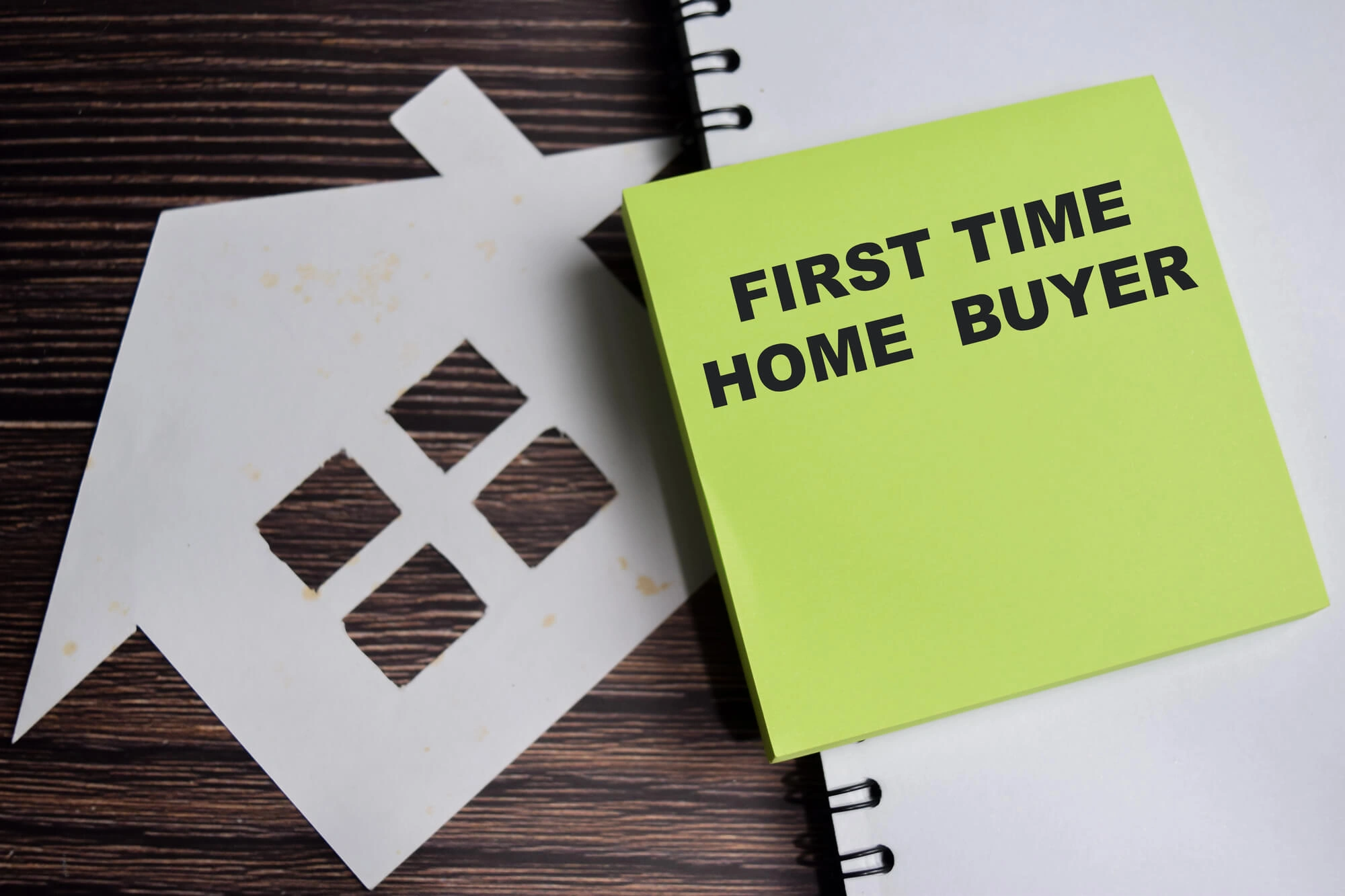
How Credit Card Debt Affects Your Homebuying Journey
Having credit card debt isn’t unusual. Many homebuyers carry balances while saving for a down payment. The important question isn’t whether you have debt—it’s whether your debt is manageable.
Your Debt-to-Income Ratio Matters
Mortgage lenders review your debt-to-income ratio (DTI), which compares your monthly debt payments to your gross income.
A lower DTI suggests you can manage another payment, while a higher DTI may signal risk. Credit cards, student loans, car loans, and other debts all factor into this number. If your DTI is high, paying down credit card balances may improve your chances of qualifying.
Your Credit Score Plays a Bigger Role Than You Think
Your credit score influences more than mortgage approval. It can also affect your interest rate. A stronger credit score often qualifies borrowers for lower mortgage rates, potentially saving thousands of dollars over the life of the loan.
Credit card debt affects your score in several ways, including:
- Credit utilization
- Payment history
- Length of credit history
- Recent credit inquiries
Keeping balances low and making payments on time consistently can strengthen your credit profile before you begin shopping for a home.
Credit Utilization Can Influence Mortgage Decisions
Credit utilization measures how much of your available credit you’re currently using. For example, if your credit limit is $10,000 and your balances total $3,000, your utilization rate is 30%.
Many financial professionals recommend keeping utilization below 30%, with even lower percentages often producing stronger credit scores. Reducing balances before applying for a mortgage may improve your score without requiring every card to be paid off completely.
Saving for a Down Payment While Paying Down Debt
Many buyers wonder whether to pay off credit cards or save for a down payment. The best choice depends on your situation. High-interest debt may be worth paying down first, while manageable debt and strong credit may allow you to keep saving. Often, a balanced approach works best.
Don’t Forget About Closing Costs
Many first-time buyers spend months saving for a down payment but overlook closing costs. These expenses may include:
- Loan origination fees
- Home inspections
- Appraisals
- Title insurance
- Attorney or settlement fees
Planning ahead helps avoid relying on credit cards to cover these expenses at the last minute.
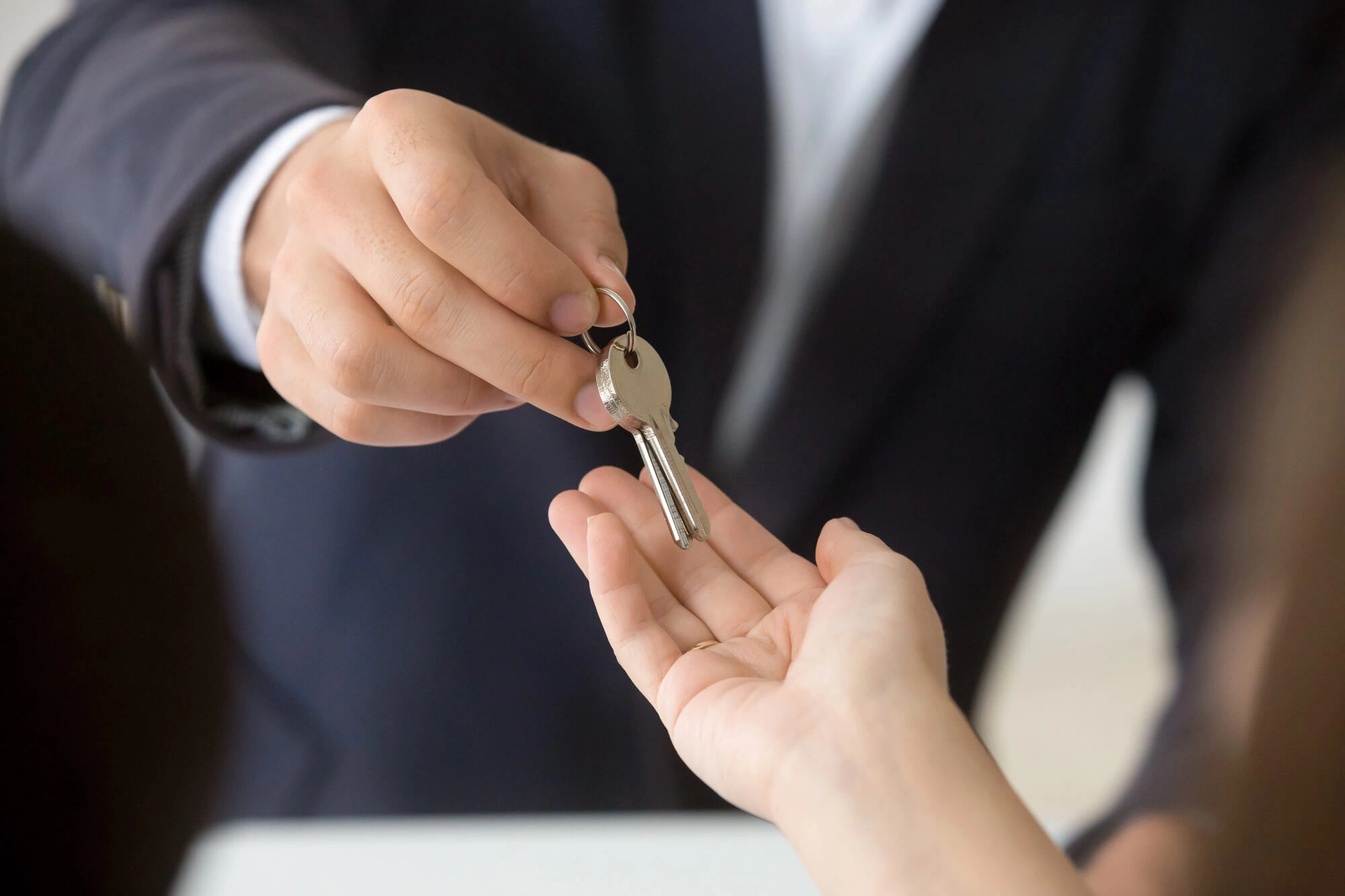
Creating a realistic home-buying budget should include both upfront costs and ongoing monthly expenses after you receive the keys.
Build Healthy Financial Habits Before You Apply
Buying a home isn’t only about qualifying for a mortgage. It’s also about preparing yourself for the financial responsibilities of homeownership.
Simple habits can strengthen your finances before you submit an application:
- Pay every bill on time.
- Avoid opening new credit accounts unless necessary.
- Keep credit card balances as low as possible.
- Continue adding to your savings regularly.
- Review your credit reports for errors.
These habits demonstrate responsible money management while improving your financial confidence.
Avoid Making Major Financial Changes Too Soon
Many first-time buyers make financial moves that can complicate the mortgage process.
Financing furniture, buying a car, or opening new credit before closing can raise your debt-to-income ratio and affect approval.
Lenders may review your finances multiple times, so it’s best to avoid new debt until after your home purchase is complete.
Homeownership Costs Go Beyond the Mortgage
Monthly mortgage payments represent only one part of owning a home.
New homeowners should also budget for:
- Property taxes
- Homeowners insurance
- Utilities
- Routine maintenance
- Emergency repairs
- Lawn care and landscaping
- Homeowners association (HOA) fees, if applicable
Preparing for these expenses helps reduce financial surprises after moving in. Creating a complete homeownership budget before buying allows you to determine what you can comfortably afford rather than simply qualifying for the maximum loan amount.
Small Financial Improvements Can Make a Big Difference
Many prospective buyers believe they must completely eliminate all debt before purchasing a home. That’s rarely necessary.
Paying down even a portion of your credit card balances can improve your debt-to-income ratio and lower your credit utilization. Those improvements may strengthen your mortgage application while helping you qualify for better loan terms.
Financial progress doesn’t happen overnight. Small, consistent improvements often produce meaningful results over time.
Preparation Builds Confidence
The homebuying process can feel overwhelming, especially for first-time buyers. Breaking the process into manageable steps makes it much easier.
Focus on one goal at a time:
- Review your budget.
- Reduce unnecessary spending.
- Improve your credit habits.
- Increase your savings.
Every positive financial decision moves you closer to homeownership.
Frequently Asked Questions
Can I qualify for a mortgage if I have credit card debt?
Yes. Many first-time homebuyers are approved for mortgages while carrying credit card debt. Lenders generally look at your overall financial profile, including your debt-to-income ratio, credit score, income, employment history, and payment record. Having manageable debt is usually more important than having no debt at all.
Should I pay off my credit cards before saving for a down payment?
It depends on your financial situation. If your cards carry high interest rates or your balances are affecting your credit score, paying them down may provide greater benefits. If your debt is manageable and your credit is in good shape, you may be able to save for a down payment while continuing to reduce your balances.
Will using my credit card while applying for a mortgage hurt my approval?
Routine purchases that are paid off responsibly typically aren’t a problem. Large purchases or significantly increasing your balances during the mortgage process can affect your debt-to-income ratio and credit score. Many lenders recommend avoiding new debt until after your loan closes.

A First-Time Homebuyer Workshop Can Help You Prepare with Confidence
A first-time homebuyer workshop can help answer key questions about budgeting, credit, and the mortgage process, giving you more confidence as you prepare to buy a home.
At DebtHelper, an IRS-approved 501(c)(3) Non-Profit Florida Corporation, we offer education, housing counseling, and workshops to support your journey to homeownership.
Contact us today to learn how we can help you take the next step toward owning your first home.